Accurate Mortar Formulation for Denver Brick and Masonry
Mortar is not all the same. The gap between correct and incorrect mortar formulation is the difference between a repair that lasts 30 years and one that starts failing in three. It's also the difference between a repair that preserves your masonry and one that destroys it.
Why Mortar Formulation Matters
Strength mismatch.
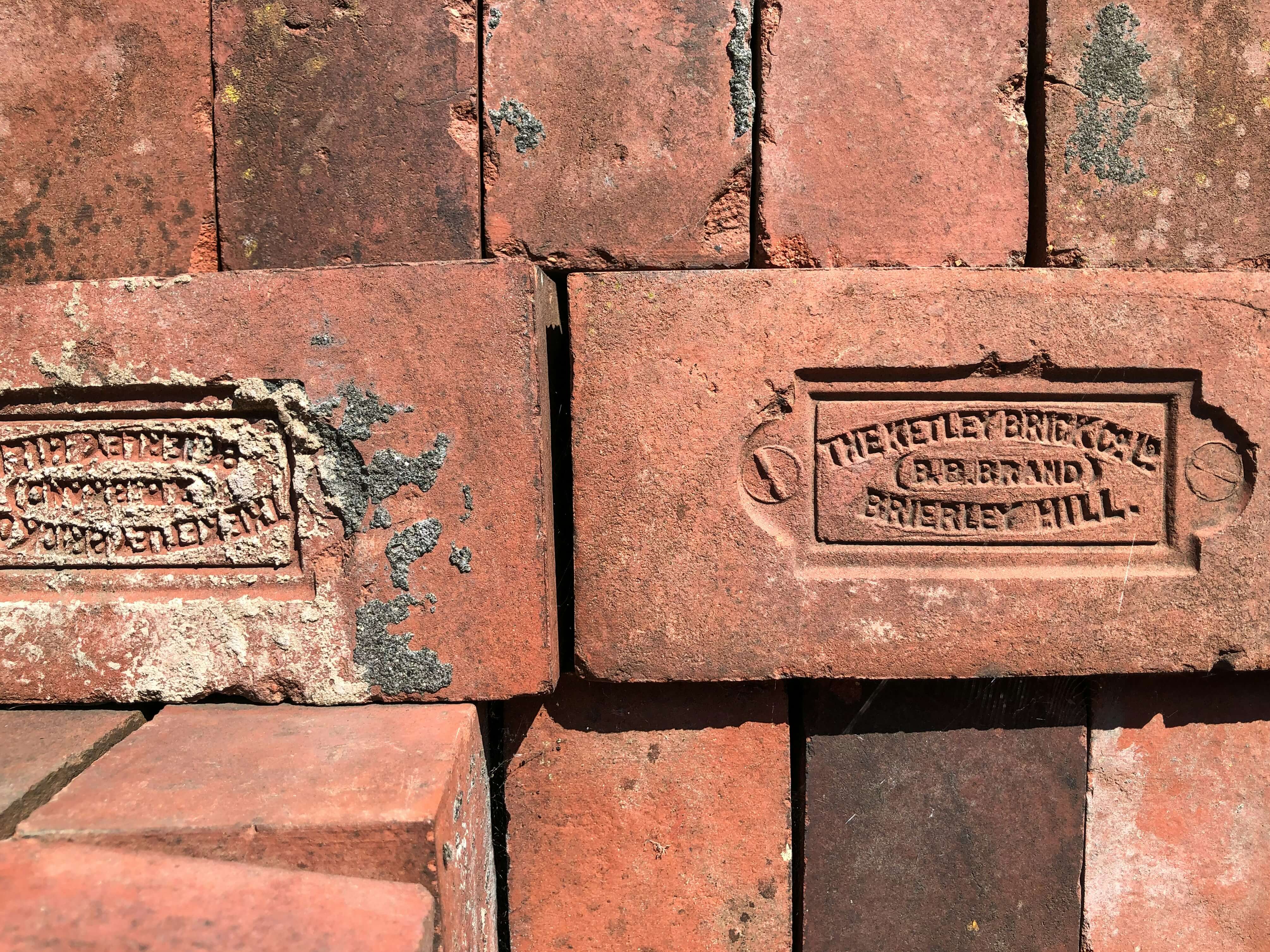
Overly hard mortar — particularly high-Portland-cement formulations on historic soft brick — doesn't flex with the wall. Thermal and settlement movement stresses the mortar-brick interface, and because the mortar is harder than the brick face, the brick spalls instead of the mortar cracking. We encounter this frequently on pre-1940 Denver homes.
Vapor transmission mismatch.
Hard, dense modern mortars can seal the joint surface and trap moisture inside the wall, accelerating freeze-thaw spalling from within.
Visual mismatch.
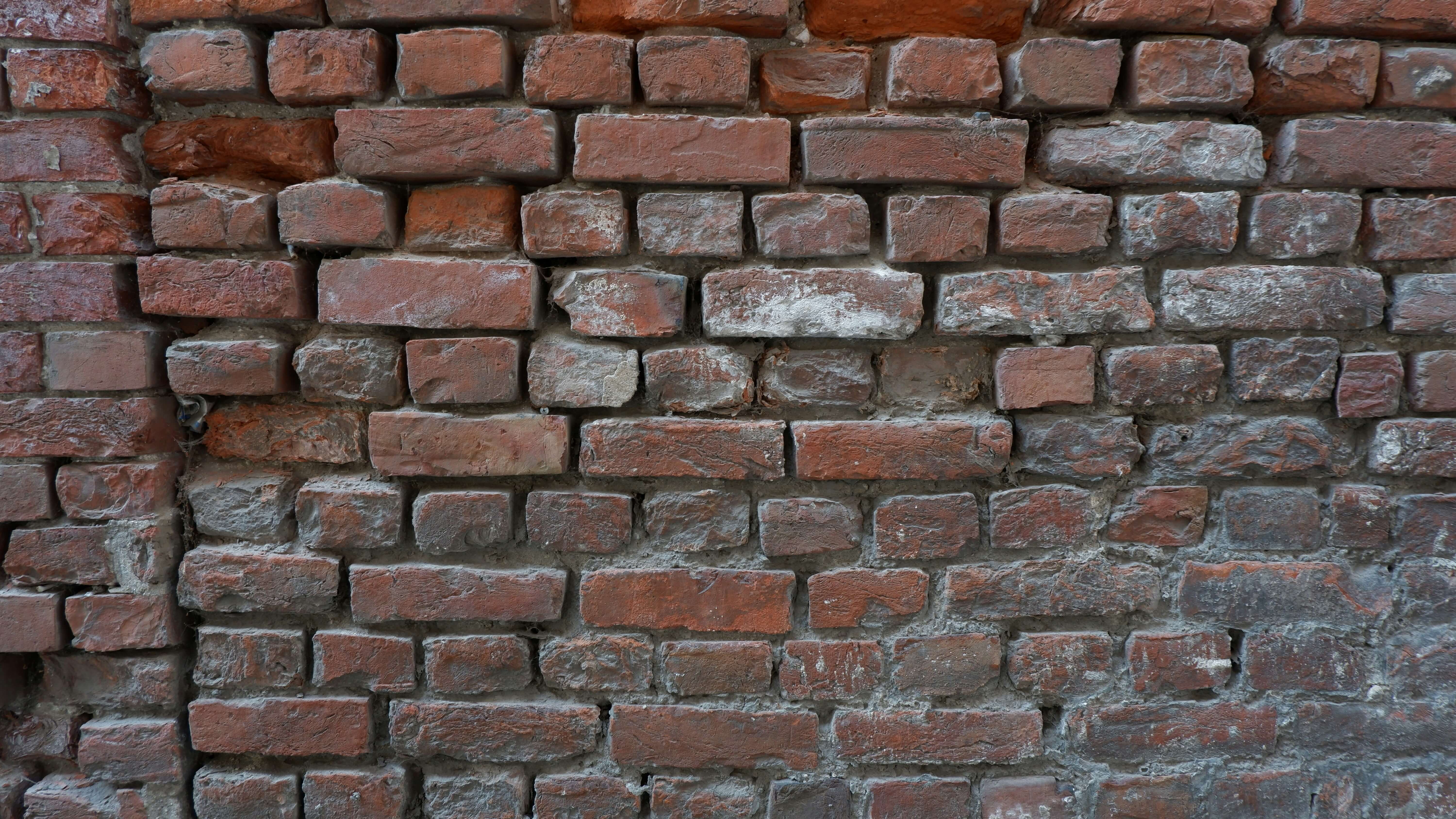
Even setting aside structural concerns, the wrong mortar looks wrong. Color, aggregate texture, and surface profile are all variables. A gray patch against tan mortar, or smooth against coarse aggregate, announces itself from the street.
The Variables We Control
Lime-to-Portland Ratio
The ratio of hydrated lime to Portland cement determines hardness, flexibility, and breathability. For older Denver homes built before 1930, we typically formulate mortars with higher lime content — softer, more flexible, and compatible with the softer brick of that era.
Aggregate Selection
Sand is the primary aggregate in mortar and often the most visually distinctive component. The grain size, color, mineral content, and surface texture of the aggregate determines the texture of the mortar face. We test aggregate samples against existing mortar to find the closest match.
Pigmentation
When aggregate selection alone doesn't produce the right color, we use mineral oxide pigments to adjust mortar color. We test batch mixes and evaluate them at multiple cure stages — because wet and dry mortar colors are completely different.
Hand Mixing
We hand-mix our mortar. Machine drum mixing introduces air into the mix that reduces compressive strength and bond strength. Hand mixing produces a denser, more workable mortar that bonds more effectively to the brick substrate. It also allows us to adjust the mix incrementally as we test it against the existing mortar.
Formulation by Era of Denver Construction
Pre-1900: pure lime putty or hot lime mortars — very soft, flexible, highly breathable
1900–1930: transitional period — we assess the existing mortar to determine original approach
1930–1960: increasing Portland content, still significantly softer than modern construction mixes
Post-1960: modern Portland-based mortars — standard Type S is usually appropriate
New construction: application-specific, accounting for exposure, load, and Denver climate conditions
Denver's Climate Factors
Denver's elevation (5,280 feet), temperature range, and freeze-thaw frequency affect mortar performance in ways that formulators in milder climates don't account for. The dry climate creates rapid curing conditions in warm weather that can lead to shrinkage cracking if the mix isn't right. We account for these conditions in every formulation.