Tuck Pointing & Repointing in Denver, CO
Mortar doesn't last forever. In Denver especially — where freeze-thaw cycles exploit even the smallest crack — deteriorating mortar joints are one of the most common (and most underestimated) problems brick homes and buildings face. Tuck pointing done right extends the life of your masonry by decades. Done wrong, it accelerates the damage.
At Denver Brick Specialists, tuck pointing is the cornerstone of what we do. Our father and son team has spent a combined 60+ years perfecting the craft — and we treat every joint like it's our own home.
What Is Tuck Pointing?
Tuck pointing (also called repointing or pointing) is the process of removing deteriorated mortar from between brick joints and replacing it with new mortar that's matched to the original in color, texture, strength, and composition. The terminology gets used loosely in the industry, so here's how we use it:
Repointing
Removing old mortar to a proper depth — typically ¾" to 1" — and filling with new matching mortar. This is the most common need for Denver homes.
True Tuck Pointing
A specialty decorative technique where mortar is colored to blend with the brick, then a thin contrasting line is added to create the visual impression of a very fine joint. Historically accurate on certain structures and requires exceptional skill to execute.
Pointing
The final visible face of the mortar joint — the part you see between bricks. We'll assess your property and tell you exactly what it needs. No upselling.
Why Denver's Climate Makes This Critical
Denver is one of the harder climates for masonry. At over a mile of elevation, intense UV exposure dries and bleaches mortar faster than lower-altitude climates. The Front Range also sees dramatic temperature swings — warm afternoons and freezing nights from September through May.
When mortar joints develop even minor gaps, water enters. That water freezes at night and expands, widening the gap. Each freeze-thaw cycle pushes mortar further out and brick faces further apart. What starts as a hairline crack becomes a structural problem within a few seasons. The good news: tuck pointing is relatively inexpensive when caught early. Waiting makes the job exponentially larger.
Our Tuck Pointing Process
1. Inspection and Assessment
We evaluate the full scope of deterioration, map problem areas, identify the cause (not just the symptom), and review any existing repairs that may have used incompatible mortars.
2. Careful Mortar Removal
Old mortar is removed to the correct depth without damaging brick edges. On historic homes, this step requires patience and precision — power grinding near soft historic brick can crack the face and cause damage that costs far more to fix.
3. Custom Mortar Formulation
We don't pull a bag of Type S off the shelf. We formulate mortar to match your existing joints in color, aggregate, texture, and hardness. On older homes built before modern Portland cement was standard, we use lime-based mortars that are softer and more flexible — compatible with the original masonry rather than fighting it.
4. Joint Packing and Tooling
Mortar is hand-packed in layers, then tooled to match the original joint profile — concave, flush, weathered, or beaded, depending on what the structure calls for.
Getting Mortar Compatibility Right
One of the most common mistakes we see is the use of mortars that are too hard for the wall they're applied to. Modern Portland cement mortars are significantly stronger than the original lime-based mortars used in Denver homes built before 1940. When a hard mortar is packed into a softer masonry wall, the mortar doesn't flex. Stress concentrates at the brick face — and instead of the mortar cracking (the correct, sacrificial behavior), the brick face spalls off.
We see this on Capitol Hill Victorians, Park Hill bungalows, and Highlands Craftsmen homes regularly. Someone came in 15 years ago with the wrong mix, and now the brick itself is damaged. We get the chemistry right the first time.
Signs Your Denver Home Needs Tuck Pointing
• Mortar joints look recessed, crumbling, or powdery
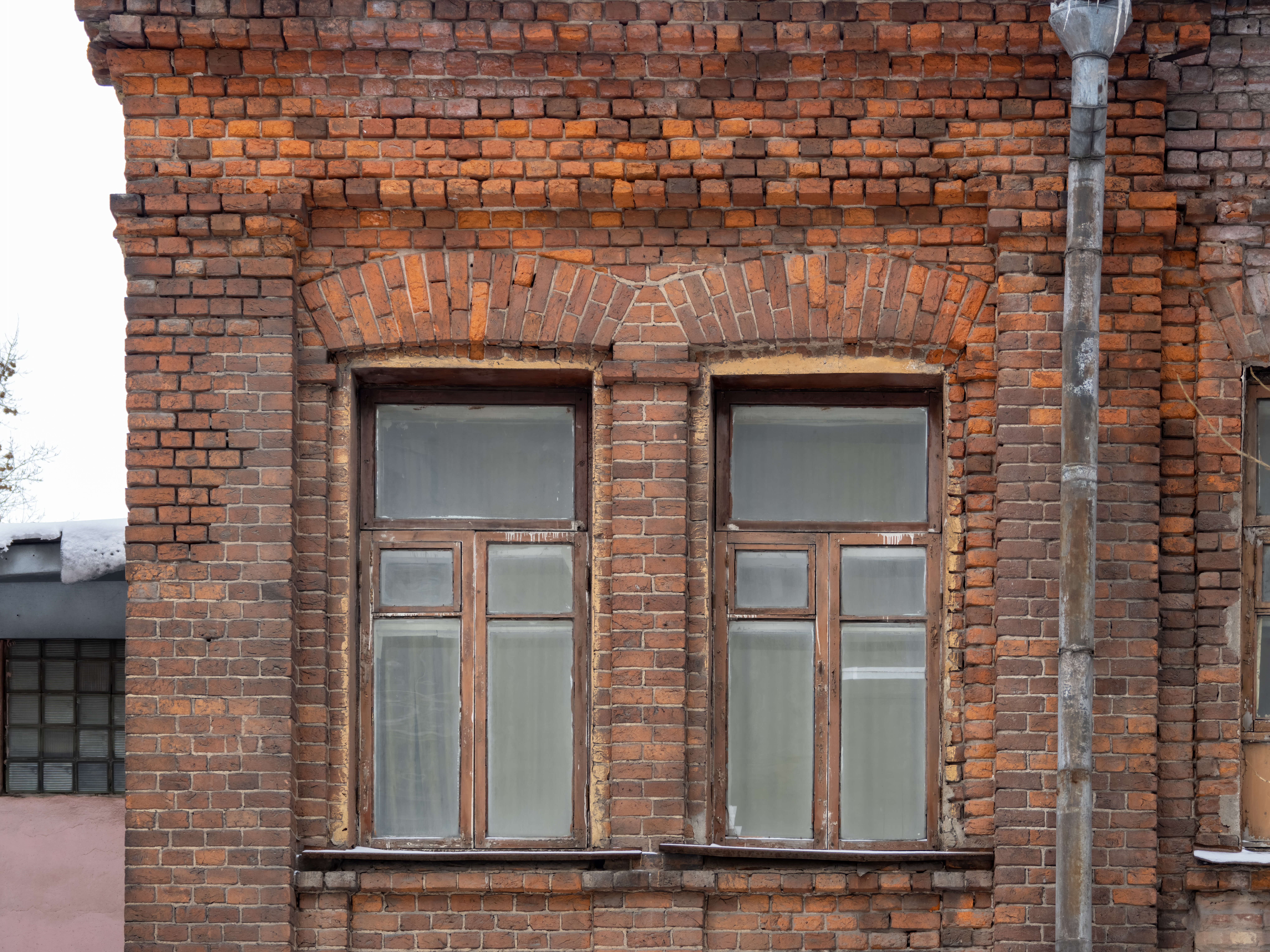
• Visible cracks running through mortar lines or in a stair-step pattern
• White staining (efflorescence) on brick faces — a sign moisture is moving through the wall
• Loose bricks or movement near window and door openings
• Interior dampness or water staining on inside walls near brick
• You're seeing daylight or gaps through the chimney from inside
Why Denver Brick Specialists
We're a family business, not a franchise. When you call us, you talk to James — and James shows up. Our 60+ combined years aren't a marketing number; they represent real projects on real Denver homes, many of them historic, all of them done with the kind of care that gets referrals. We hold BBB A+ accreditation and maintain strong reviews on Google, Yelp, HomeAdvisor, and Nextdoor.