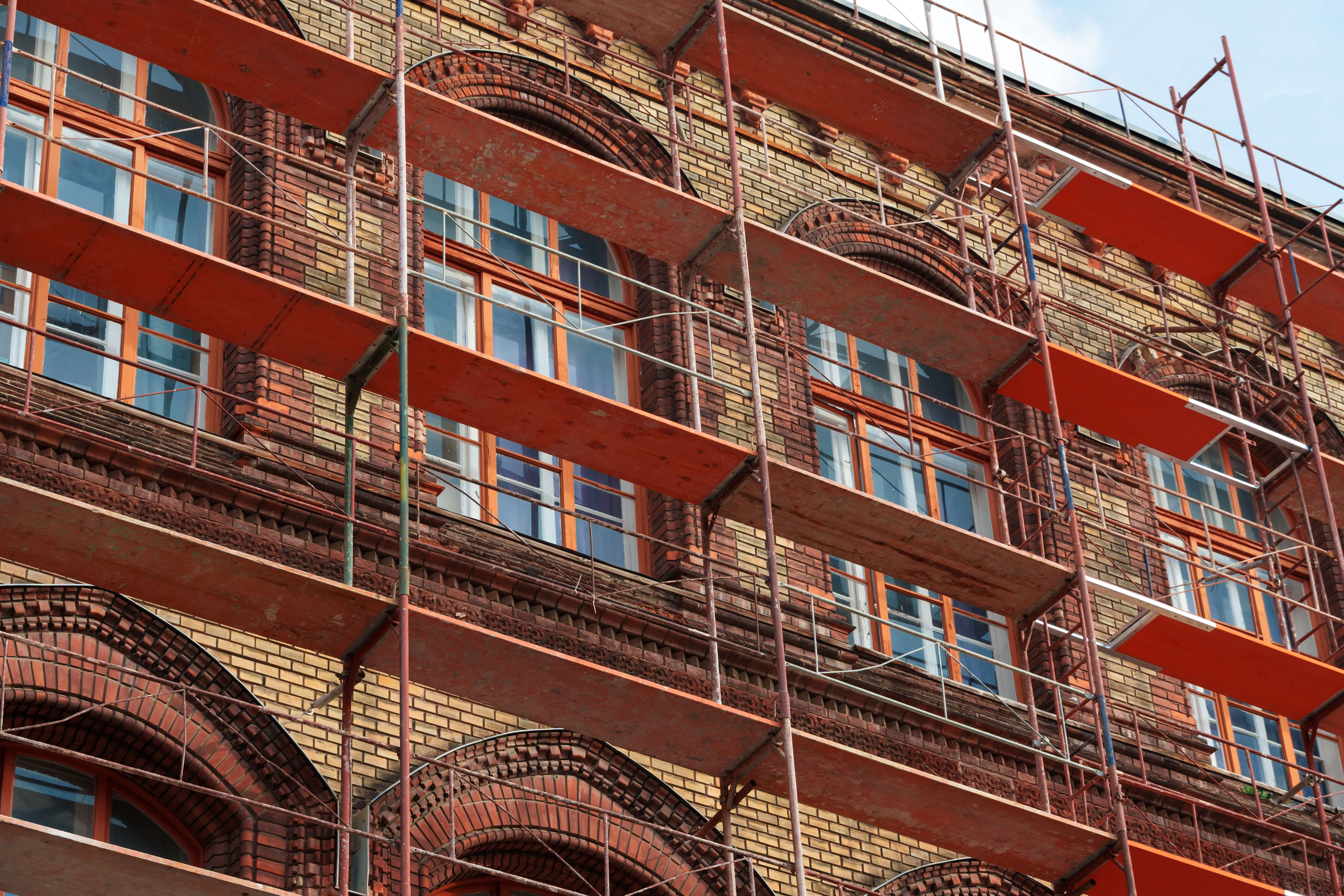
Door and Window Conversion in Brick Walls — Denver, CO
Whether you're adding a window where there wasn't one, infilling an opening that's no longer needed, or changing the size of an existing opening, converting doors and windows in brick masonry walls is skilled work that requires structural knowledge, masonry expertise, and a careful eye for matching. Done right, a converted opening is undetectable. Done wrong, it's permanent and visible.
What Door and Window Conversion Covers
Creating a New Opening
Cutting a new door or window opening into a brick wall requires removing the affected brick, installing a properly engineered lintel to carry the load above the opening, and rebuilding the jamb sections with matched brick and mortar. Structural engineering is typically required for load-bearing walls.
Infilling an Existing Opening
Filling a door or window opening with brick that matches the surrounding wall — in size, color, texture, bond pattern, and mortar — is one of the more challenging matching tasks in masonry.
Resizing an Existing Opening
Making an existing opening larger or smaller combines elements of new opening creation and infilling, and requires the same structural and matching discipline.
Structural Considerations
Any change to an opening in a masonry wall involves structural implications. We work within applicable building code requirements, coordinate with structural engineers on load-bearing applications, and pull permits where required.
The Matching Challenge for Infill Work
Brick Matching
The surrounding brick may be 80-100 years old. We source salvage brick from the same era and region where possible.
Bond Pattern Continuity
Running bond, common bond, Flemish bond — each requires specific brick placement to continue the pattern across the new section. Getting this wrong announces the infill from 50 feet away.
Mortar Matching
New mortar at the infill perimeter must match the surrounding joints in color, texture, profile, and hardness.
Common Applications
Closing garage door openings converted to living space
Infilling basement window openings during waterproofing or renovation
Adding windows to brick walls for natural light or ventilation
Modifying door and window sizes during remodels
Closing openings left by utility penetrations or equipment removal