Historic Home Brick Restoration in Denver, CO
Denver's historic brick homes are irreplaceable. The Victorian rowhouses of Capitol Hill, the Craftsman bungalows of Park Hill, the Denver Square foursquares of Congress Park, the brick Tudor revivals of Hilltop — these homes are built from materials and by methods that no longer exist. Restoring them well requires knowledge, patience, and genuine respect for the original craft.
At Denver Brick Specialists, historic home restoration is where our work is most meaningful — and where the difference between a skilled mason and an unskilled one matters most.
What Makes Historic Brick Different
Softer and More Porous
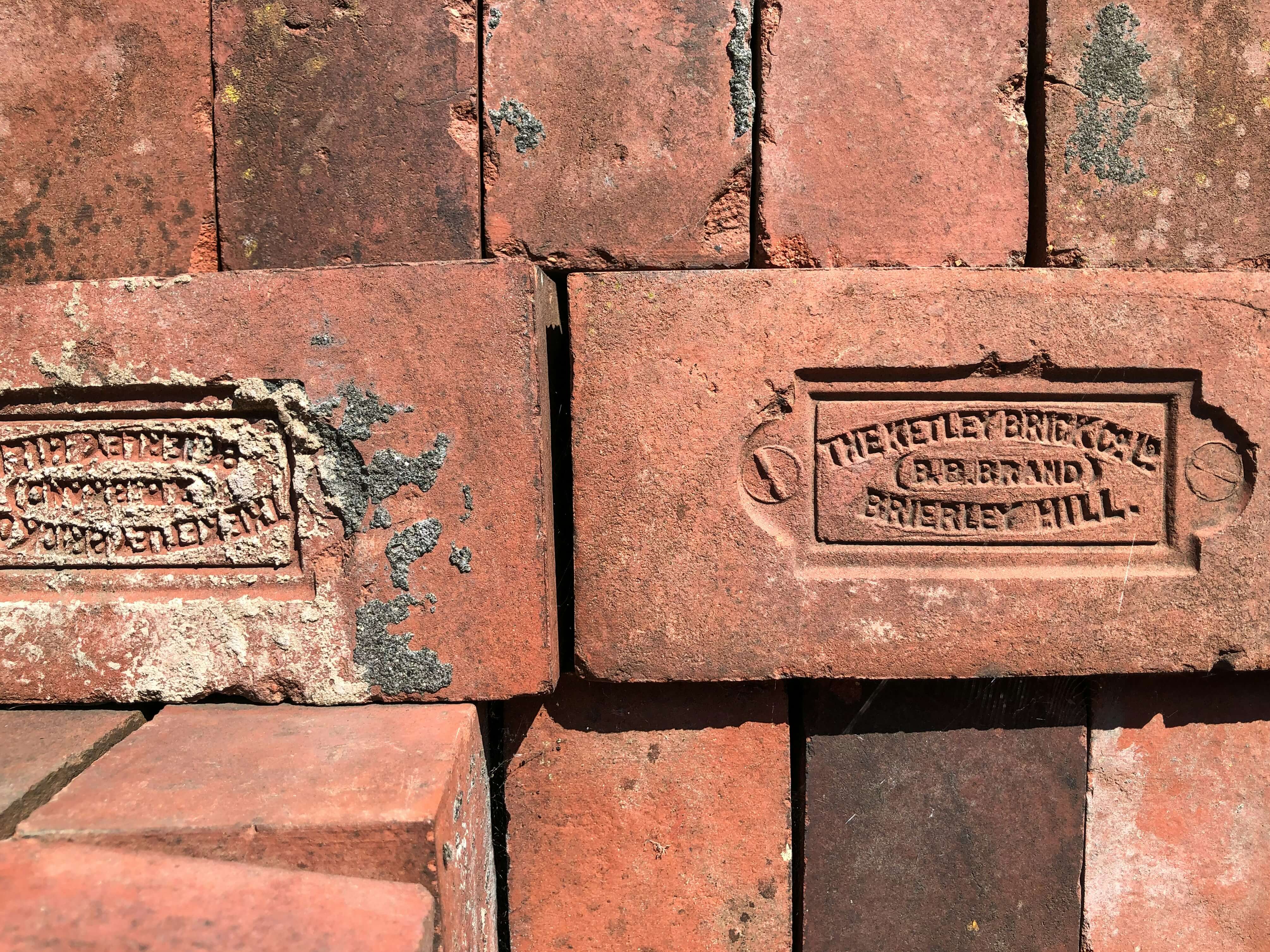
Historic brick was made from local clay, fired at lower temperatures, and produced in smaller batches. The result is a softer, more porous unit that weathers differently and requires more delicate handling than modern vitrified brick.
Smaller Dimensions
Pre-standardization brick runs smaller than modern modular brick. Mixing modern and historic brick in a repair is immediately visible. Matching historic brick dimensions requires sourcing salvage units or specialty manufacturers.
Original Mortar Chemistry
The mortars used in Denver's historic construction were primarily lime-based — soft, flexible, and breathable. These mortars were intentionally designed to be weaker than the brick, so that movement and stress would be absorbed by the mortar (which is replaceable) rather than the brick (which is not).
Character and Patina
The color, texture, and weathered surface of 100-year-old brick is part of what makes historic homes beautiful. Cleaning, patching, or replacing brick without understanding this can erase the character that gives the home its value.
Why Inappropriate Repairs Damage Historic Homes
The single greatest threat to Denver's historic masonry homes isn't age — it's inappropriate repair. When a contractor repoints a historic home with modern Type S cement mortar, the result is a mortar four to five times harder than the original lime mortar and than the brick itself. This hard mortar doesn't absorb thermal movement; it transmits it to the brick face. The brick cracks and spalls.
We see this on Capitol Hill, Park Hill, Highlands, and Baker properties constantly. Getting historic home restoration right isn't more expensive than getting it wrong — it's preventing the very expensive consequences of getting it wrong.
Our Historic Home Services
Full Facade Restoration
A comprehensive restoration addresses the entire building envelope: inspection, cleaning, repointing with compatible lime-based mortar, brick replacement where needed, and repair or replacement of ornamental masonry elements.
Selective Repointing
Where only portions of the facade show active joint failure, selective repointing addresses those areas with custom-matched mortar while leaving sound original joints undisturbed.
Ornamental Masonry Repair
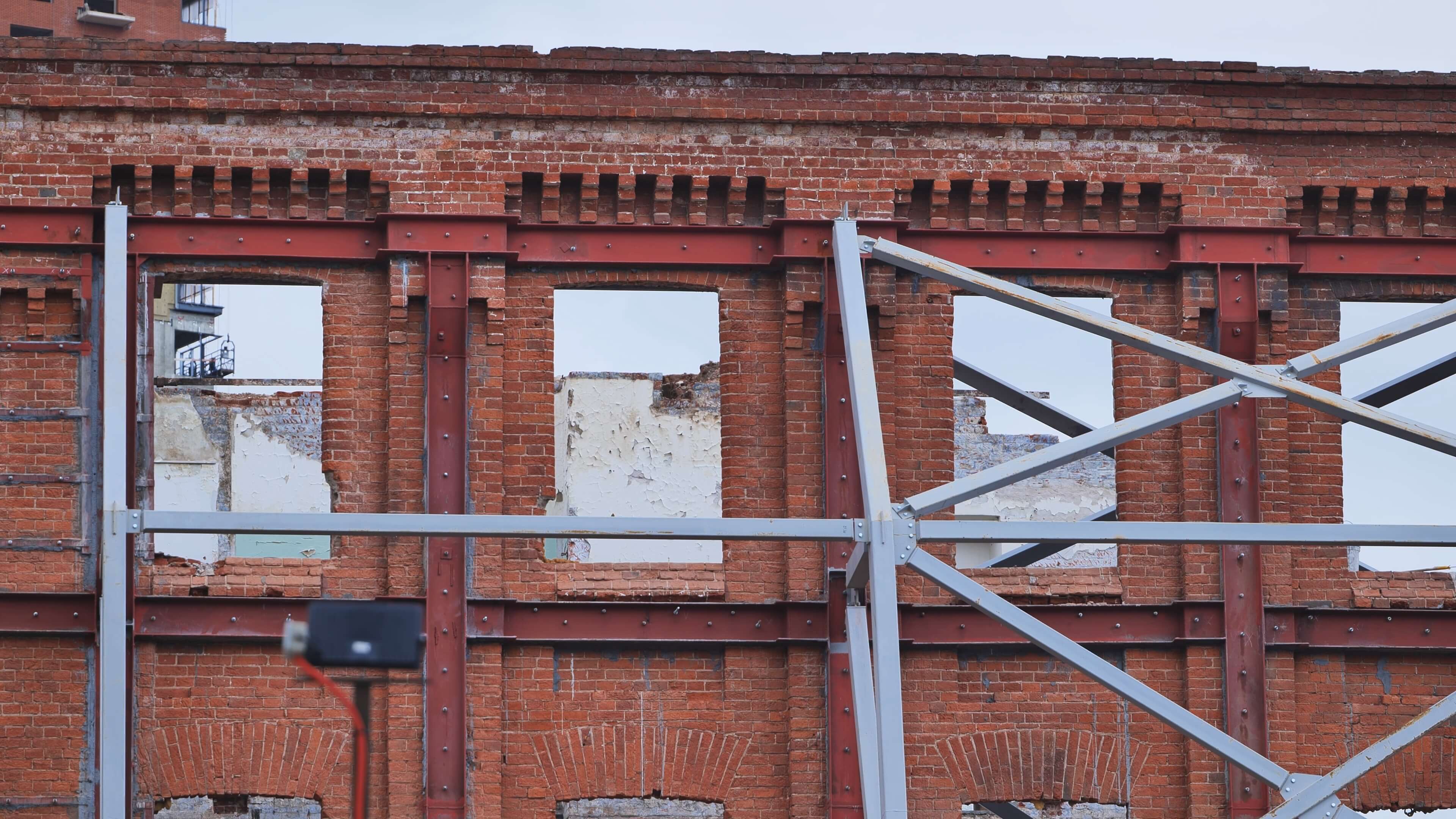
Corbeled cornices, decorative belt courses, terra cotta panels, carved sandstone window sills and surrounds, and brick arch patterns — these elements define the character of the home and require specialized attention when they fail.
Denver's Historic Neighborhoods
Capitol Hill and Cheesman Park
Dense with late Victorian and Edwardian brick rowhouses, flats, and mansions. Soft red brick and lime mortar construction. Some of Denver's most complex historic restoration work.
Congress Park, Mayfair, and Park Hill
Denver Square foursquares, brick bungalows, and Arts and Crafts homes from the 1900s–1920s. A mix of lime-rich and early Portland-transition mortars.
Highlands and LoHi
Victorian cottages, brick Craftsmen, and early Denver infill development. Significant variation in construction era and quality.
Baker and South Broadway Corridor
Late Victorian and early 20th century working-class brick homes with significant character.
Five Points, Whittier, and Curtis Park
Some of Denver's earliest residential development. Highest concentration of pre-1900 construction. Most demanding for mortar and brick matching.
Preservation Guidelines and Standards
Some Denver historic homes are within locally designated historic districts or are individually landmarked. Masonry work on designated properties must comply with Denver Landmark Preservation guidelines. We are familiar with these standards and apply their principles even on non-designated properties — because they represent the right way to work on old masonry, regardless of regulatory status.
A Family Business That Understands the Long View
Our family's masonry roots go back to Greece — to a tradition of craft that understood buildings as multi-generational investments. That's the perspective we bring to every historic home we work on. These homes were built by craftsmen who intended them to last. Our job is to make sure they do.