Spalling Brick Repair in Denver, CO
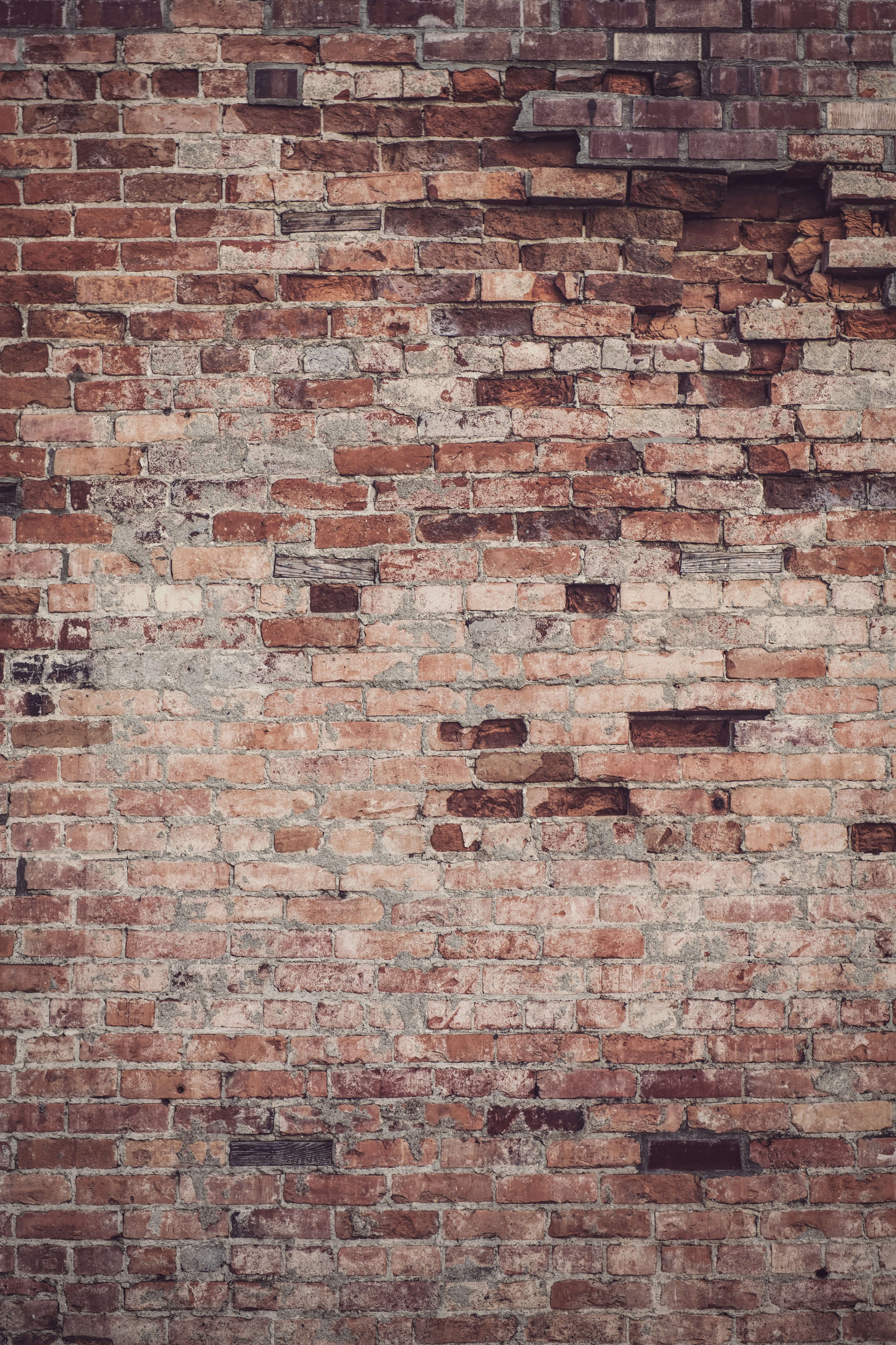
When the face of a brick starts to flake, chip, or crumble, that's spalling. It's one of the most common masonry problems in Denver — and one of the most misunderstood. What looks like surface damage often signals something deeper: water infiltration, freeze-thaw stress, or decades of deferred maintenance working their way out.
We've repaired spalling brick on homes and buildings across Denver for over 60 combined years. We know how to diagnose the cause, not just treat the symptom.
What Causes Brick to Spall?
Spalling happens when the outer face of a brick separates from the body. In Denver's climate, freeze-thaw cycles are the primary driver. Water enters through deteriorated mortar joints or hairline cracks, freezes, expands, and forces the brick face off from the inside.
Other common causes include:
Improper waterproofing. Sealers that trap moisture inside the brick rather than letting it breathe accelerate spalling rather than prevent it.
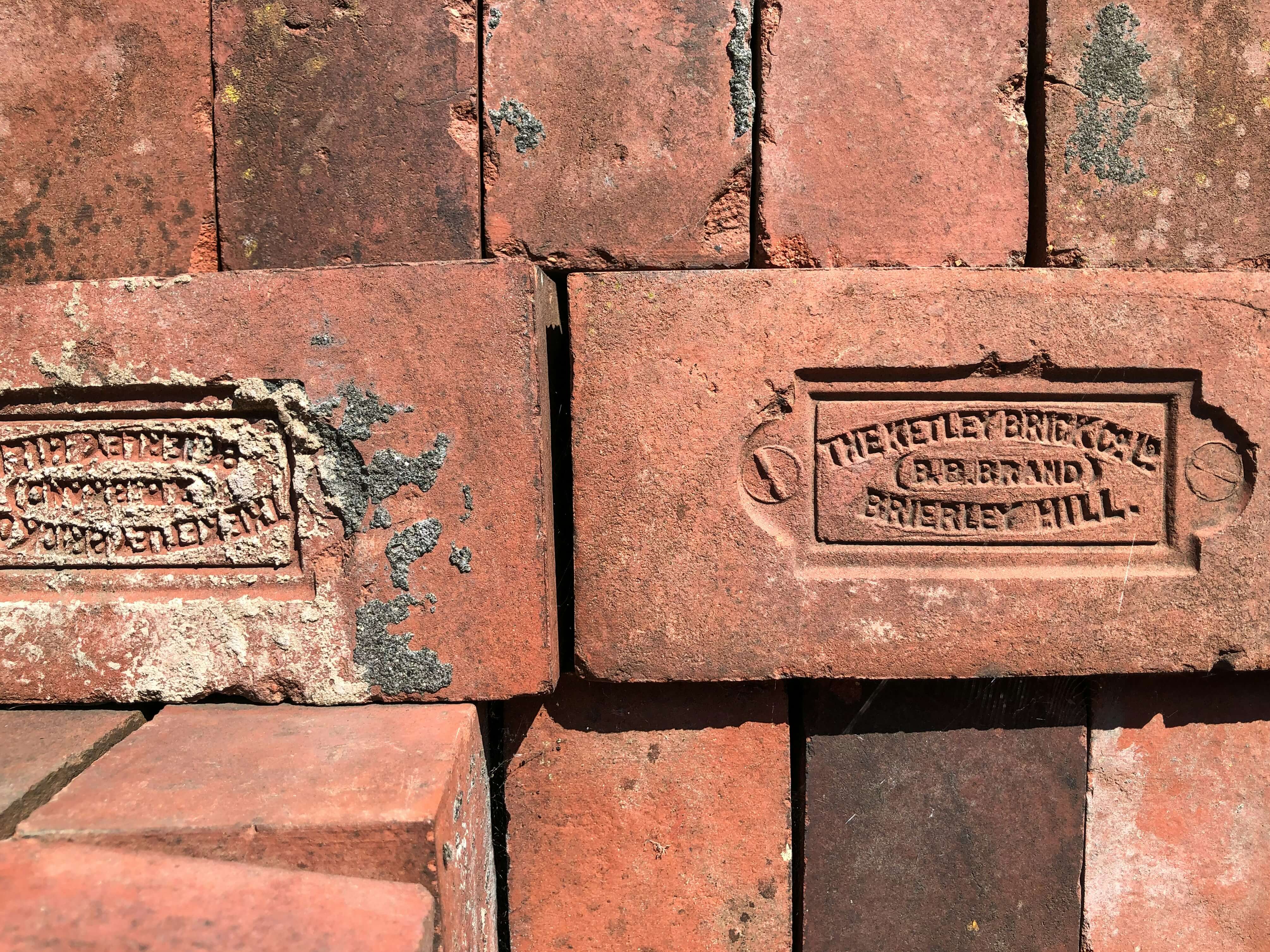
Soft or salvaged brick. Older bricks — especially repurposed or soft-fired ones — are more porous and more vulnerable to water damage.
Sandblasting. Abrasive cleaning methods strip the hard outer layer of the brick, exposing the softer interior to the elements.
Rising damp. Moisture wicking up from the ground through inadequate drainage or failed damp-proofing can cause widespread spalling at the base of a wall.
Why It Gets Worse If You Wait
A single spalling brick is a small repair. A wall full of them is a much larger one. Once the face separates, the exposed interior absorbs water faster than the original surface — which means subsequent freeze-thaw cycles do more damage, more quickly. What starts as a handful of damaged bricks can progress to compromised structural integrity if the underlying moisture problem isn't addressed.
Early repair is always less expensive than late repair.
How We Repair Spalling Brick
There's no single fix for spalling. The right approach depends on how far the damage has progressed, what caused it, and the age and type of brick involved. Our process:
Assess the damage and identify the source. We don't repair spalling without understanding why it happened. If water infiltration is the cause, we address that first.
Remove damaged bricks. Spalled bricks that have lost structural integrity are carefully removed without disturbing adjacent masonry.
Source matching brick. For historic or older homes, matching the replacement brick in size, color, and texture matters. We take this seriously.
Repoint surrounding joints. Deteriorated mortar in the affected area is repointed to eliminate water entry points going forward.
Reset and finish. Replacement bricks are set with period-appropriate mortar, tooled to match the existing joint profile.
Spalling and Historic Homes
Denver's older neighborhoods — Capitol Hill, Potter-Highlands, Park Hill, Curtis Park — have some of the most beautiful historic brick construction in the region. They also have some of the most vulnerable. Brick from the late 1800s through the mid-20th century was often softer and more porous than modern brick, and a century or more of Denver winters takes a toll.
We have extensive experience working on historic properties. That means matching original brick profiles and mortar colors, working carefully to preserve surrounding masonry, and understanding when conservation is the right call over full replacement.
Frequently Asked Questions
Can spalled bricks be repaired, or do they have to be replaced?
It depends on the extent of the damage. Minor surface spalling on otherwise sound brick can sometimes be stabilized. Bricks that have lost significant face material or are structurally compromised need to be replaced. We'll tell you which situation you're in after we see it.
Will the new bricks match?
We do our best to source brick that's a close match in color, texture, and size. On older homes, a perfect match isn't always possible — brick from 80 or 100 years ago isn't made the same way today. We'll be upfront with you about what's achievable before we start.
Does spalling mean my whole wall needs to be replaced?
Rarely. Spalling is usually localized to areas with concentrated water exposure or compromised mortar joints. A targeted repair addressing both the damaged brick and the moisture entry point is typically all that's needed.
How do I prevent spalling from coming back?
Address the root cause first. Keep mortar joints in good condition, ensure proper drainage away from the foundation, and avoid any waterproofing products that seal the brick surface rather than letting it breathe. We can walk you through what's appropriate for your specific situation.